

Cataract is one of the most common causes of vision impairment, especially as we age. For years, many people believed that they should wait until it is fully matured. This approach often resulted in unnecessary discomfort and reduced quality of life.
Today, cataract surgery has evolved into a safer, faster, and more precise procedure. With modern techniques like phacoemulsification and advanced intraocular lenses (IOLs), patients can regain clear vision much earlier than ever before. The focus shifts from waiting to acting at the right time.
But before jumping into the right time, let’s first understand what a cataract actually is!
What is a Cataract? Understanding the Condition
A cataract develops when the natural lens of the eye becomes cloudy, which leads to blurred, distorted, or dim vision. This clouding develops gradually, and aging is the most common cause contributing to cataract. However, it can also results from other factors such as diabetes, eye injuries, long-term steroid use, or genetics can also be responsible for it.
In the early stages, symptoms may be mild. One might notice a slight blur or hazy vision, increased sensitivity to light, or difficulty seeing clearly at night. Over time, vision may get more distorted, colors may appear faded, and even routine activities like reading or recognizing faces may feel challenging. Cataracts usually progress slowly, but their impact can become significant if not treated in time.
When is the Best Time for Cataract Surgery?
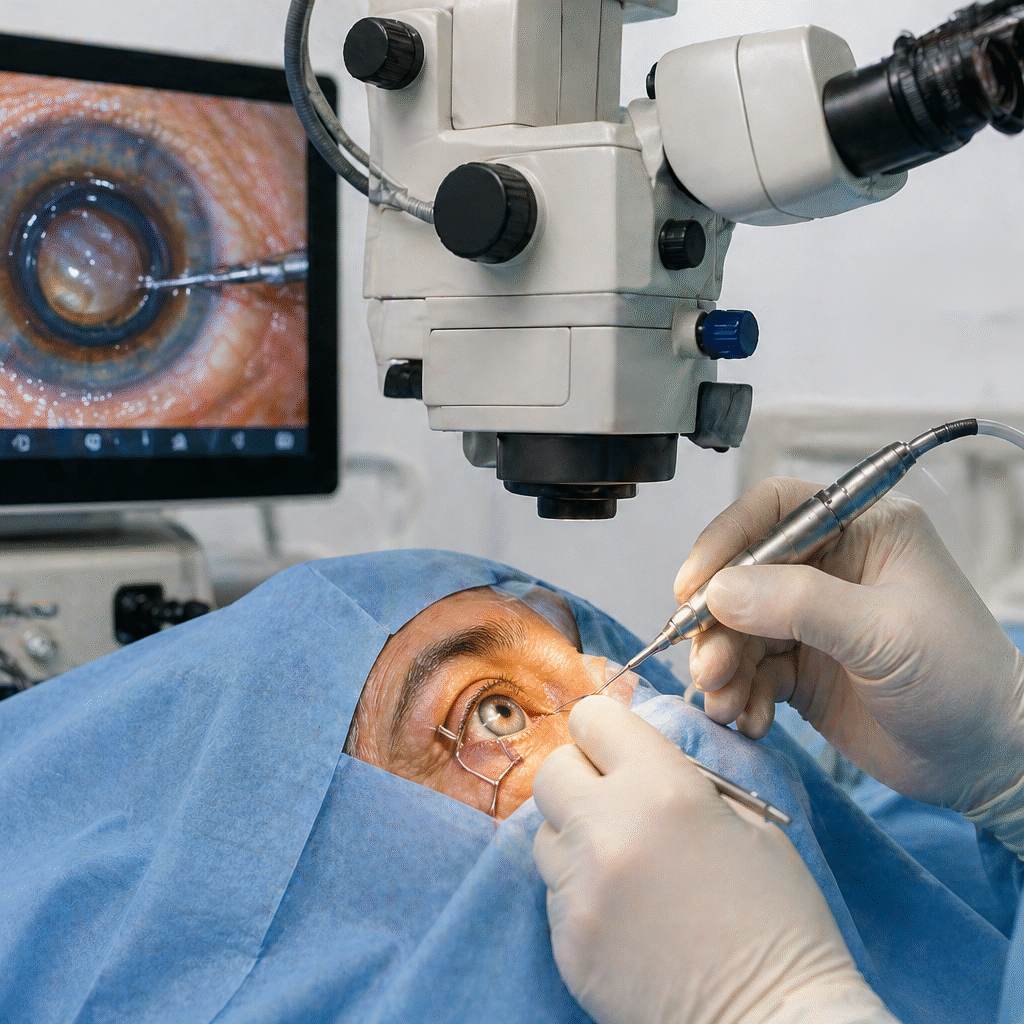
There is no fixed age or specific time! Yes, you read it right. The decision to undergo cataract surgery is based on how much your vision is affecting your daily life. Further, it is always advisable to consult an experienced eye doctor to ensure your eye health.
Key Signs You Should Consider Cataract Surgery:
You can consider cataract surgery if you are experiencing any of the following due to clouding:
- Difficulty in reading books or messages on your phone
- Trouble driving at night because of glare
- Increased dependence on brighter lighting
- Frequent changes in glasses without improvement
- Reduced confidence in performing routine tasks
If your vision is limiting your independence or comfort, it’s a sign to consult an eye specialist.
Early vs Late Cataract Surgery: What Experts Recommend
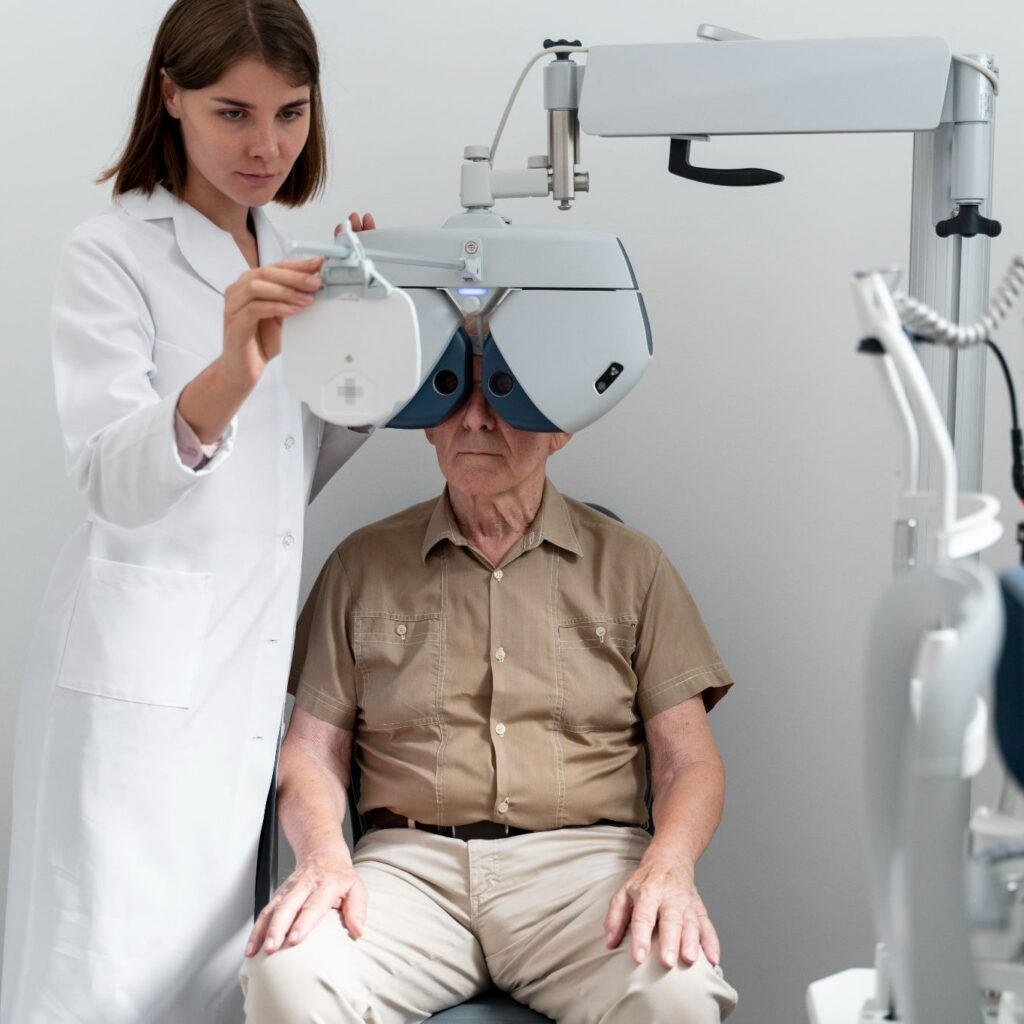
Let’s understand whether to opt for early cataract surgery or a delayed one:
Early Surgery
Advancements in eye care have made early cataract surgery the preferred approach. But what’s the reason? Well, softer cataracts are easier to remove, which makes the procedure smoother and safer. Patients usually experience better outcomes and faster recovery, which helps them return to their normal routine quickly. Early intervention also helps restore quality of life sooner than adapting to worsening vision.
Late Surgery
If cataracts are hindering your daily activities, then waiting too long or delaying surgery can make cataracts denser and harder. This may increase surgical complexity and slightly raise the risk of complications. Recovery may also take longer, and the visual outcomes may not be as optimal as they could have been with earlier treatment.
It is good to consult an eye surgeon to get the right guidance at the right time based on your condition.
Common Myths About Cataract Surgery Timing
Despite advances in eye care, several misconceptions still prevent people from seeking timely treatment. Let’s address some of the most common myths and learn the reality behind them:
1. Wait until the cataract fully matures
This belief comes from the earlier surgical methods, which required the cataract to be hardened before removal. But today, with modern techniques like phacoemulsification, cataracts can be treated much earlier and more safely. Even early intervention results in smooth procedures, faster recovery, and better visual outcomes.
2. Cataract surgery is risky
Cataract surgery is one of the safest and most commonly performed procedures in the world, with a very high success rate. Modern technology, improved surgical techniques, and better pre-operative assessments have significantly reduced risks. When performed by an experienced eye specialist in a well-equipped facility, complications are rare, and most patients experience a noticeable improvement in vision shortly after the procedure.
3. Vision loss from cataracts is permanent
This is not true. Vision loss caused by cataracts is completely reversible with surgery. The cloudy natural lens is replaced with a clear artificial lens, which restores clarity and brightens up your vision.
Don’t let the myth or fear hold you back. Talk to an eye specialist and make an informed decision at the right time.
Why Choose OptiGlow Eye Hospital for Cataract Surgery?
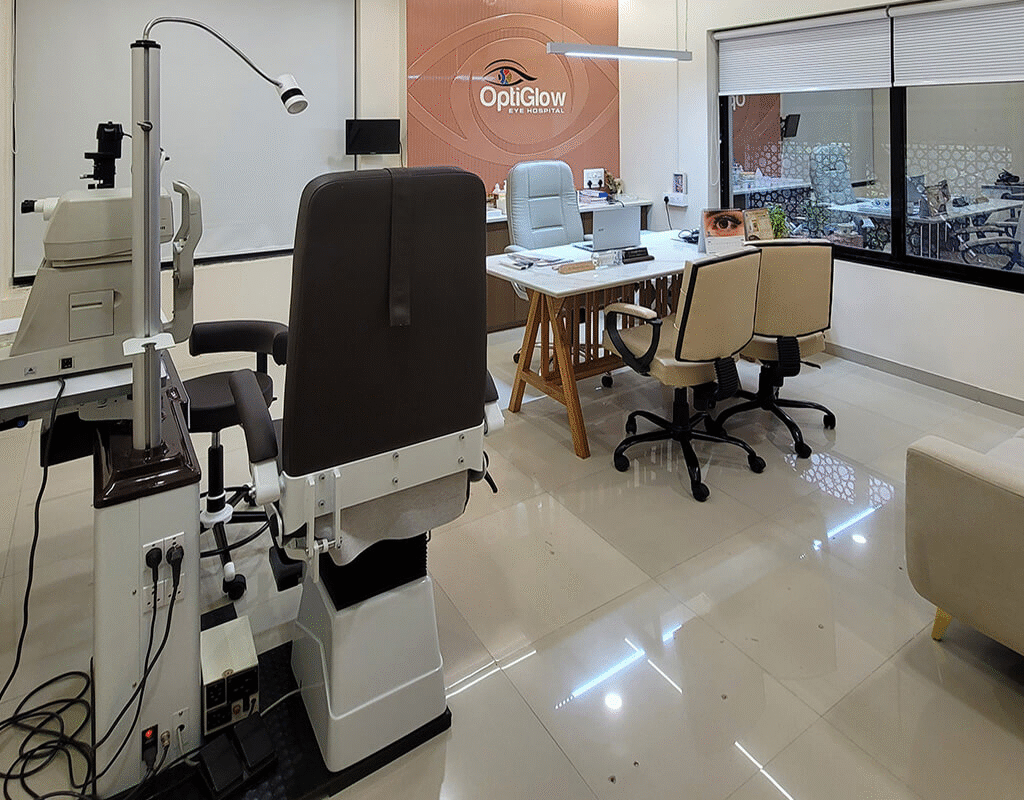
When it comes to something as delicate as your vision, choosing the right eye hospital is as important as deciding the right time of surgery. OptiGlow Eye Hospital is a trusted name for providing cataract treatment with the best possible outcomes. Here’s why patients choose us for cataract surgery:
Advanced and Minimally Invasive Techniques
OptiGlow uses advanced surgical techniques such as phacoemulsification, which ensures a minimally invasive procedure, faster healing, and reduced discomfort.
Expert Led Care You Can Trust
The hospital has a team of experienced eye specialists who bring strong clinical expertise and a deep understanding of patient needs. From diagnosis to surgery and recovery, every step is handled with precision and care.
Personalized Cataract Treatment
Each patient undergoes a detailed evaluation and is provided with a customized treatment plan, including the selection of the most suitable intraocular lens (IOL) based on lifestyle and vision goals.
Modern Diagnostic and Equipments
OptiGlow Eye Hospital is equipped with advanced diagnostic tools and state-of-the-art surgical equipment to deliver accurate assessments and high surgical success rates. This tech-driven approach enhances both safety and outcomes.
Patient Centric Experience
From the first consultation to post-surgery follow-ups, OptiGlow focuses on making your journey comfortable and stress-free. It ensures clear communication, guided support, and attentive care to help patients feel confident at every stage.
Choosing OptiGlow Eye Hospital means choosing clarity, safety, and expertise all in one place. If you are considering cataract surgery, the right care at the right time can make all the difference in restoring your vision and quality of life.
Besides cataract surgery, OptiGlow provides comprehensive eye care in Vadodara, including oculoplastic eye surgery and superspeciality eye treatment to support your vision.
Conclusion
There is no universal perfect time for cataract surgery. The right time is when your vision begins to interfere with your daily activities, comfort, and independence.
Delaying surgery can make the condition more complicated, while early treatment offers safer procedures, quicker recovery, and better outcomes. With today’s advanced techniques, cataract surgery is not something to postpone; it is your call to restore clarity and improve your overall quality of life.
If you or your loved ones are experiencing symptoms of cataracts, don’t wait. Schedule an eye examination, understand your condition, and make an informed decision at the right time. Book your consultation with OptiGlow today for a personalized eye care experience!